Golden Hour: When Light Becomes Love
Why golden hour is the best time for photoshoots in southern Spain. Examples and tips on how to use the sun.
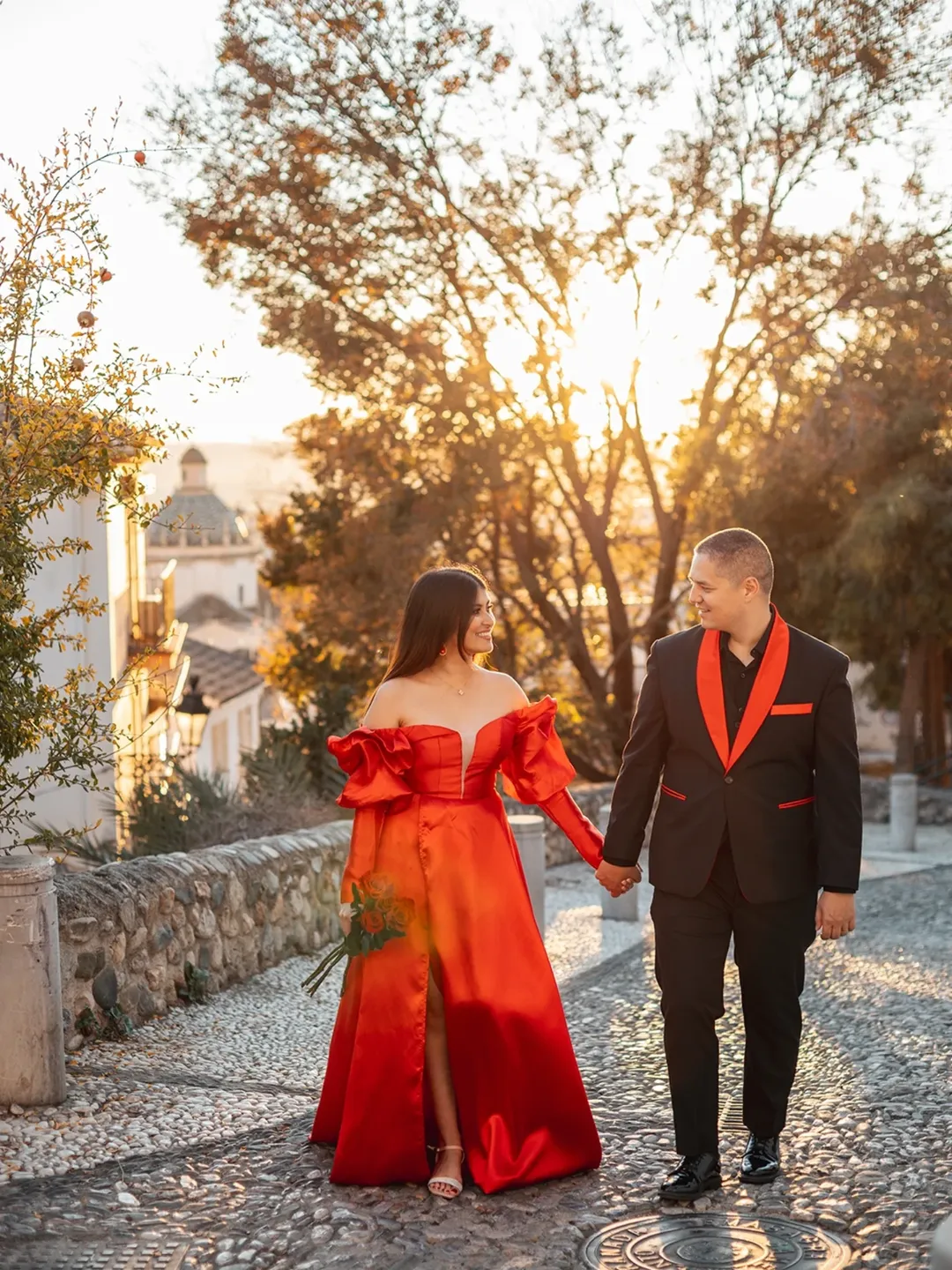
Every day, there comes a moment when the world forgets to be ordinary. The sun sits low, shadows become long and soft, and everything around is flooded with a thick, honeyed glow. This is golden hour. And in Andalusia, it is special.
What It Means
"Golden hour" is the time when the southern sun loses its burning power and turns into the most romantic time of day, painting everything around in yellow or red tones. That's why photographers call it that. These moments are the best canvas for your shots.
When It Happens
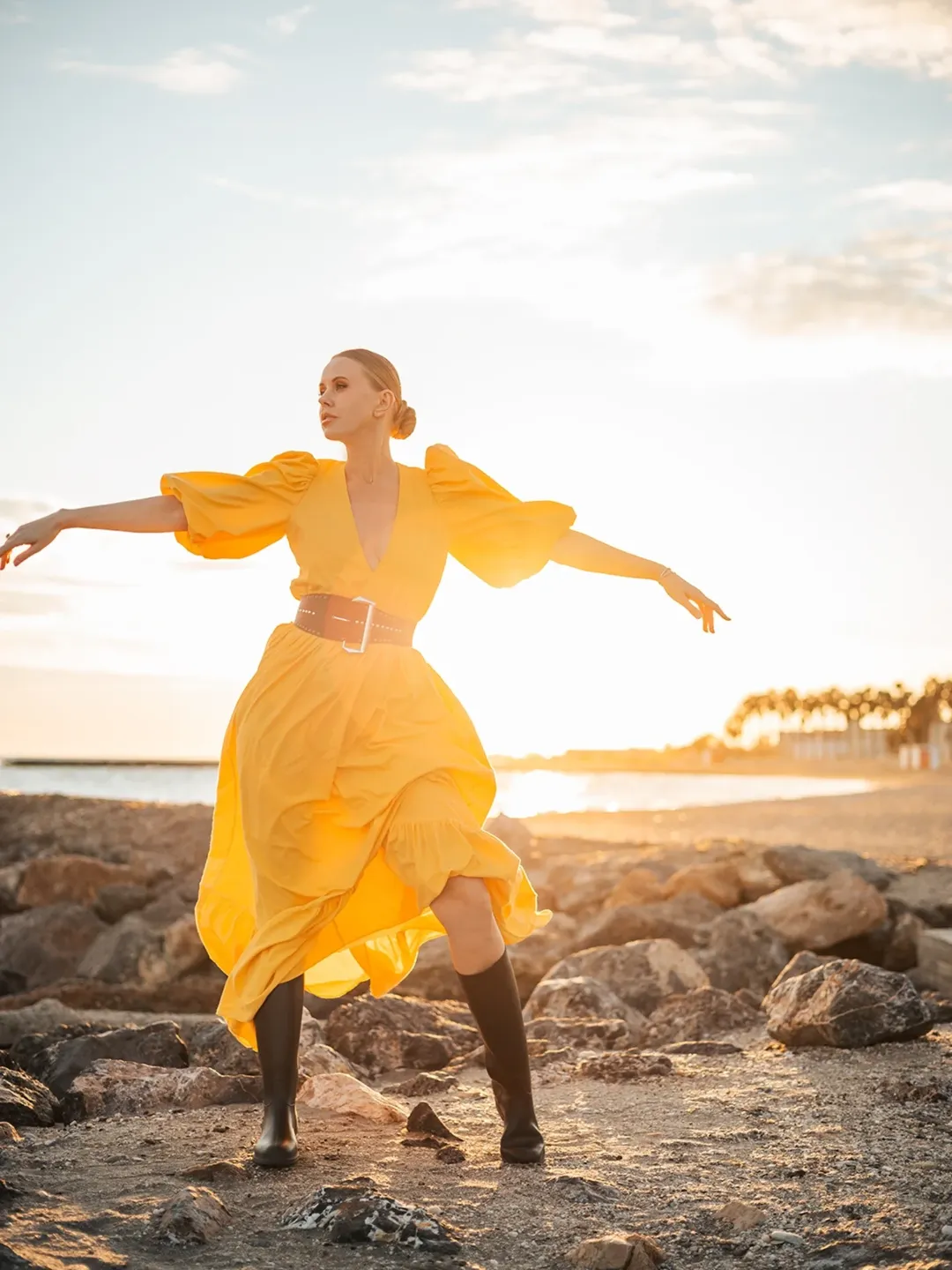
In spring, the light comes from 7:00 to 8:30 AM and from 7:30 to 9:00 PM, while in summer—from 6:30 to 8:00 AM and from 8:30 to 10:00 PM. In autumn, catch it from 7:30 to 9:00 AM and from 6:30 to 8:00 PM, and in winter—from 8:00 to 9:30 AM and from 5:30 to 7:00 PM. But don't trust the clocks—trust the light. Arrive early, stay late, and watch how it changes, for therein lies the real magic.
Where to Look for It
San Nicolás at sunrise, because it's quite crowded at sunset. Corners of the Albaicín at sunset, Paseo de los Tristes at sunrise. And from the Realejo district at sunset, there is a magical view of the city. Additionally, any natural location in the vicinity of Granada becomes beautiful at sunrise or sunset, against the backdrop of the snow-capped peaks of the Sierra Nevada.
How It Works
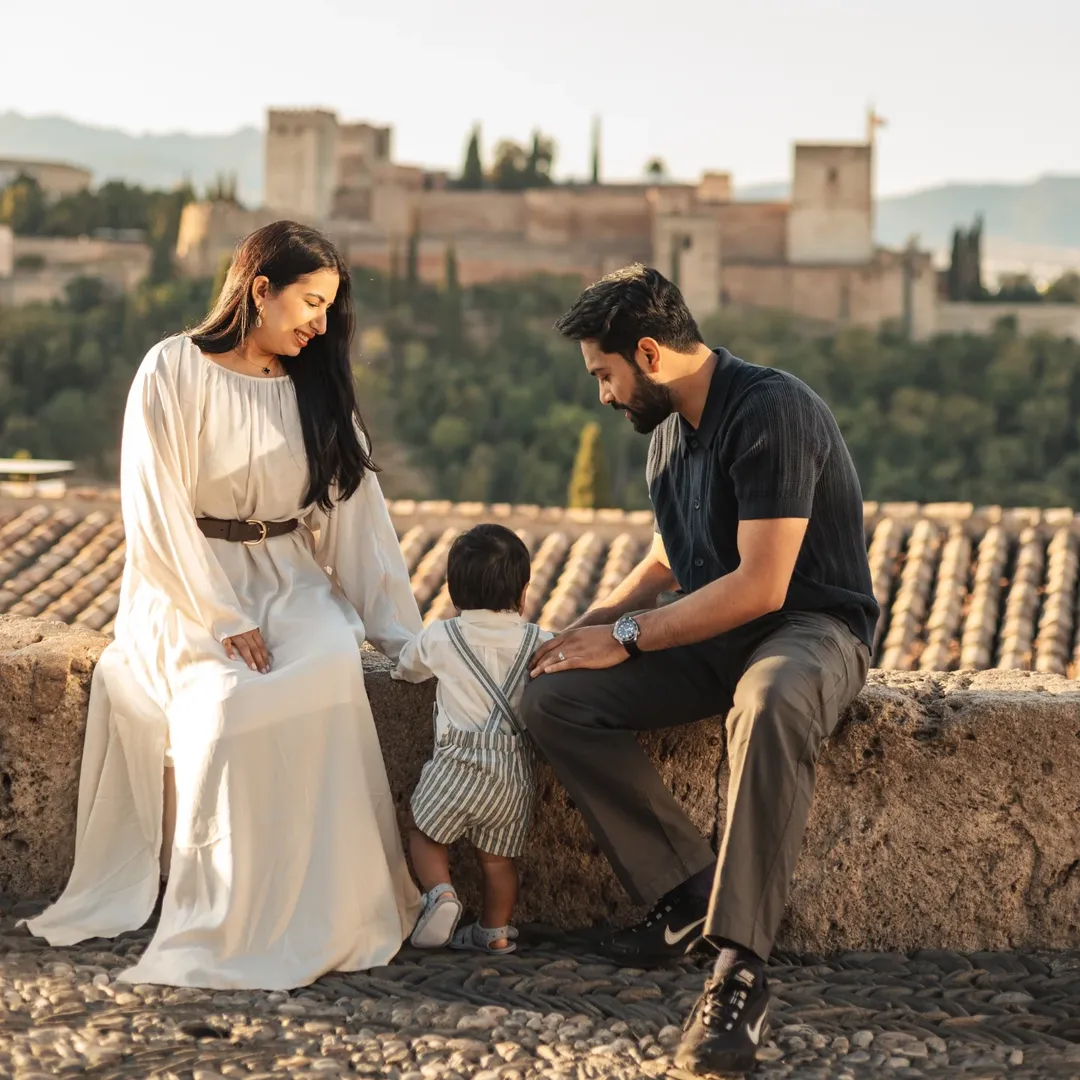
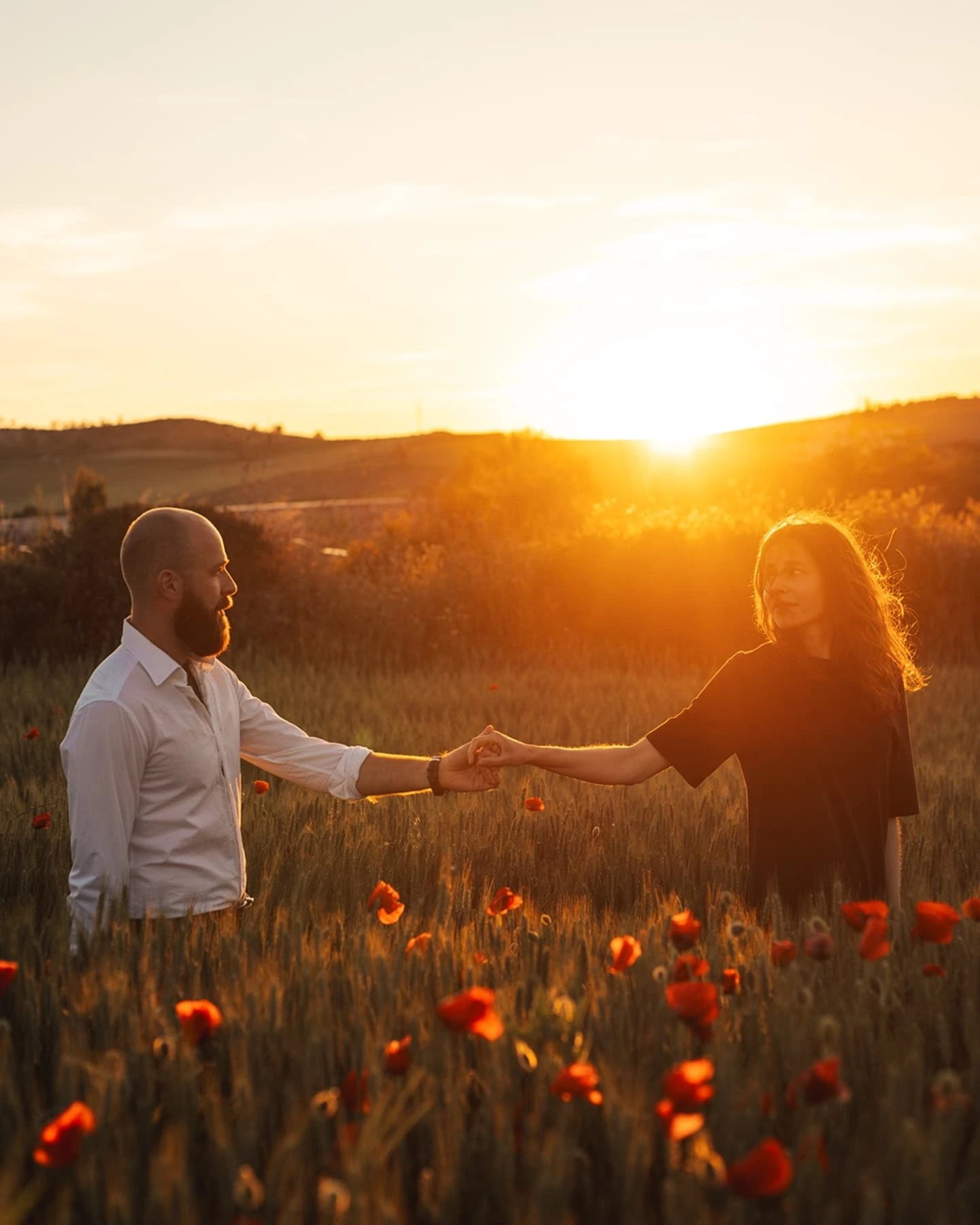
Stand facing the light for warmth and glow, letting the rays of the golden sun touch your face. Or turn away for volume and drama, letting the side light sculpt the form and show texture. Use backlighting for pure magic. Stand between the camera and the sun to create silhouettes or a dreamy rim light. Forget the rules: just play with the light, move, and let it surprise you.
The Technical Part (Simply)
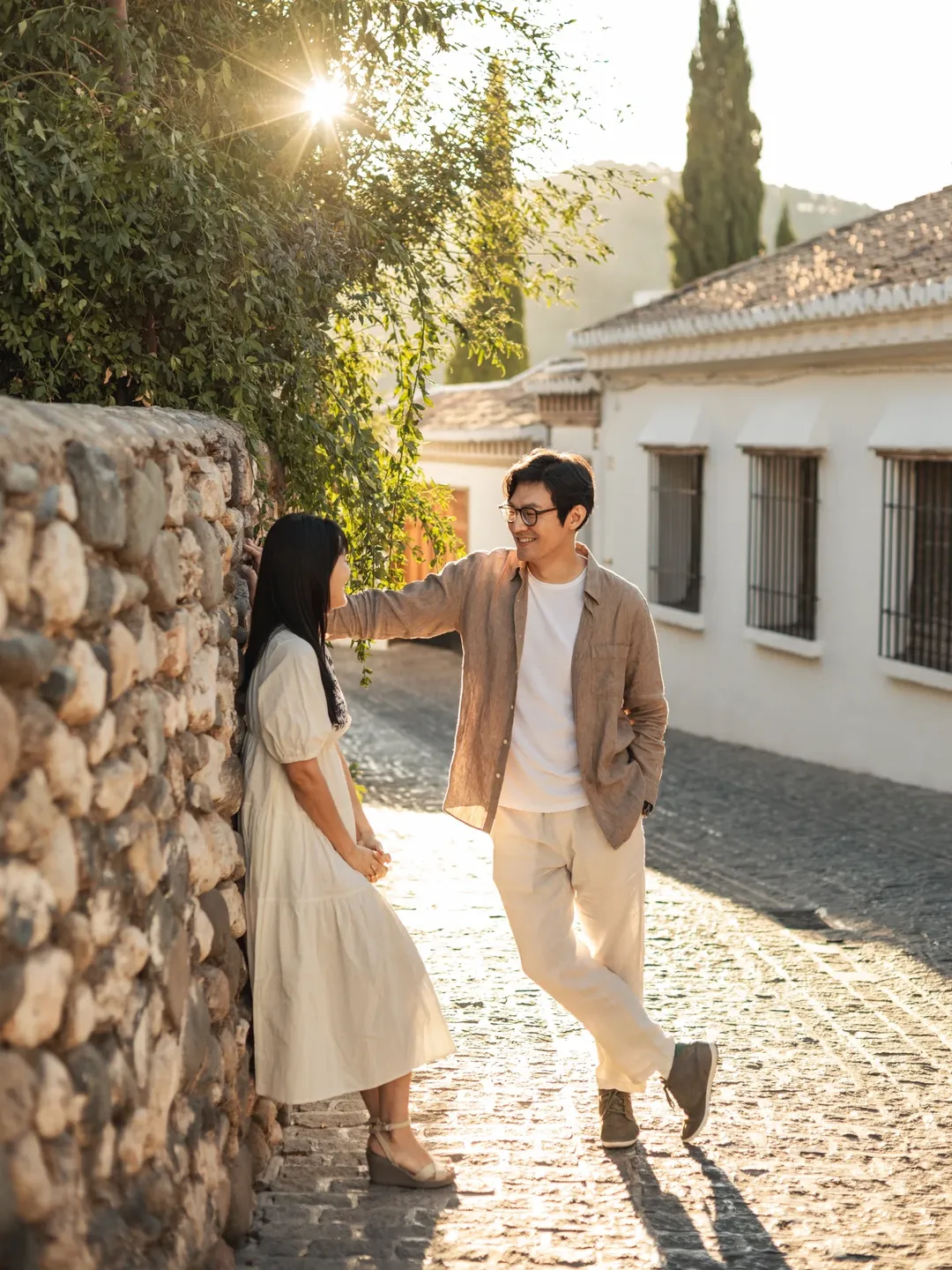
Shoot at a wide aperture (f/1.4 – f/2.8), allowing the background to melt into a blur. Use ISO 100-800 and a shutter speed of at least 1/250, as golden hour is not static. Always shoot in RAW to maintain flexibility during processing.
What Changes
During golden hour, everything softens. Skin glows, there are no shadows under the eyes and no blinding sun. Colors warm up, greens become deeper, red becomes saturated. The mood changes: this light makes people relax, open up, and become themselves. It's permission to be beautiful.
After Golden Hour Comes Blue
This is a short window after sunset, before full darkness, when the sky becomes a deep sapphire color and the city lights begin their dance. The Alhambra is illuminated, offering another kind of magic—cooler, but no less beautiful. Use a higher ISO, slower shutter speed, and a tripod. It's worth it for the blend of natural twilight and warm artificial glow.
Why I'm Devoted to It
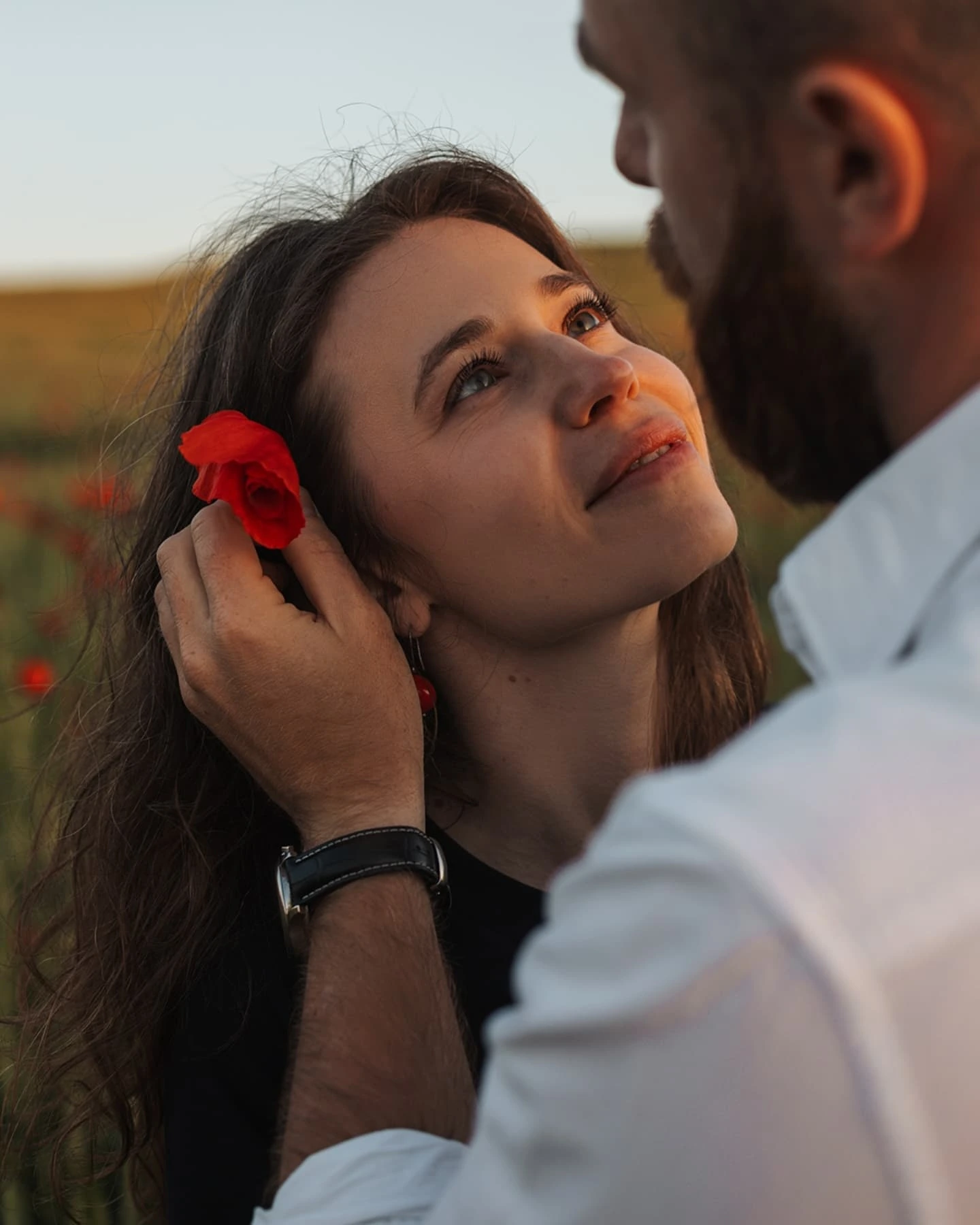
Because golden hour embodies all my beliefs about photography: natural beauty without force, simply working with what is given. It is a visual "slow living": a pause, a wait, an enjoyment of the moment. It is light as love—the way it touches everything so gently and makes the ordinary extraordinary. My entire philosophy lives in the golden hour.
Practice
Start arriving early, watching the light build and anticipating the moment. Stay late, seeing how it fades. Study where it falls, how it moves.
Chase the Light With Me
Every sunset and every sunrise is unique; golden hour gives a new chance to create magic. Let's find your perfect light.